Production case
Hospital Sírio-Libanês
Digital hospitality platform with a Go backend, Tasy integration, and an Android TV app. More than 20 million requests per month.
- Responsibility
- Backend, cloud & technical leadership
- Organization
- Hospital Sírio-Libanês
- Period
- 2024
Production evidence
- Requests per month
- 20M
- Production backend request volume.
- Average API response
- 6ms
- Backend average; not the latency of the complete user experience.
- Cache hit rate
- 92%
- Hit rate observed in Redis.


Overview
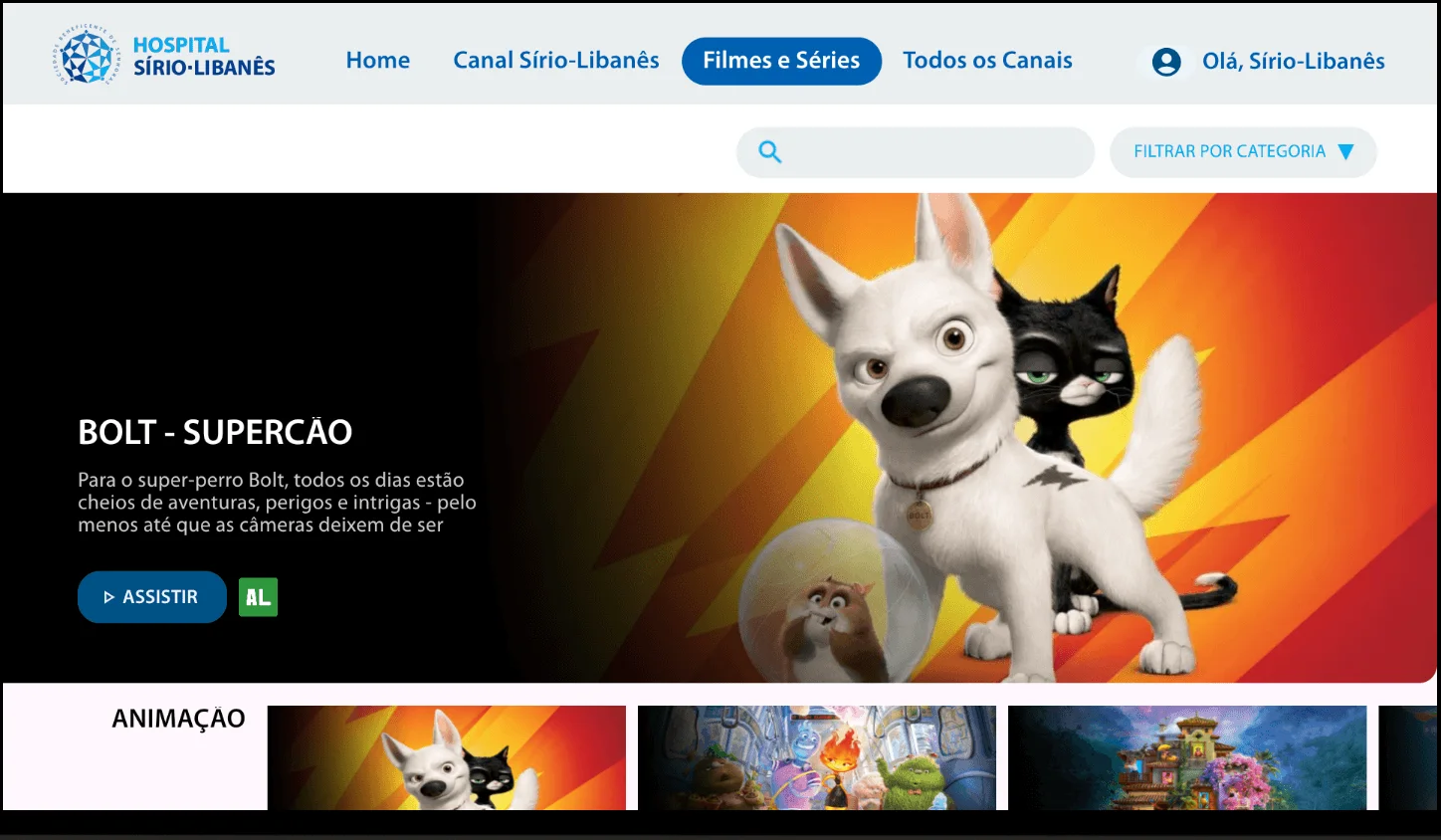
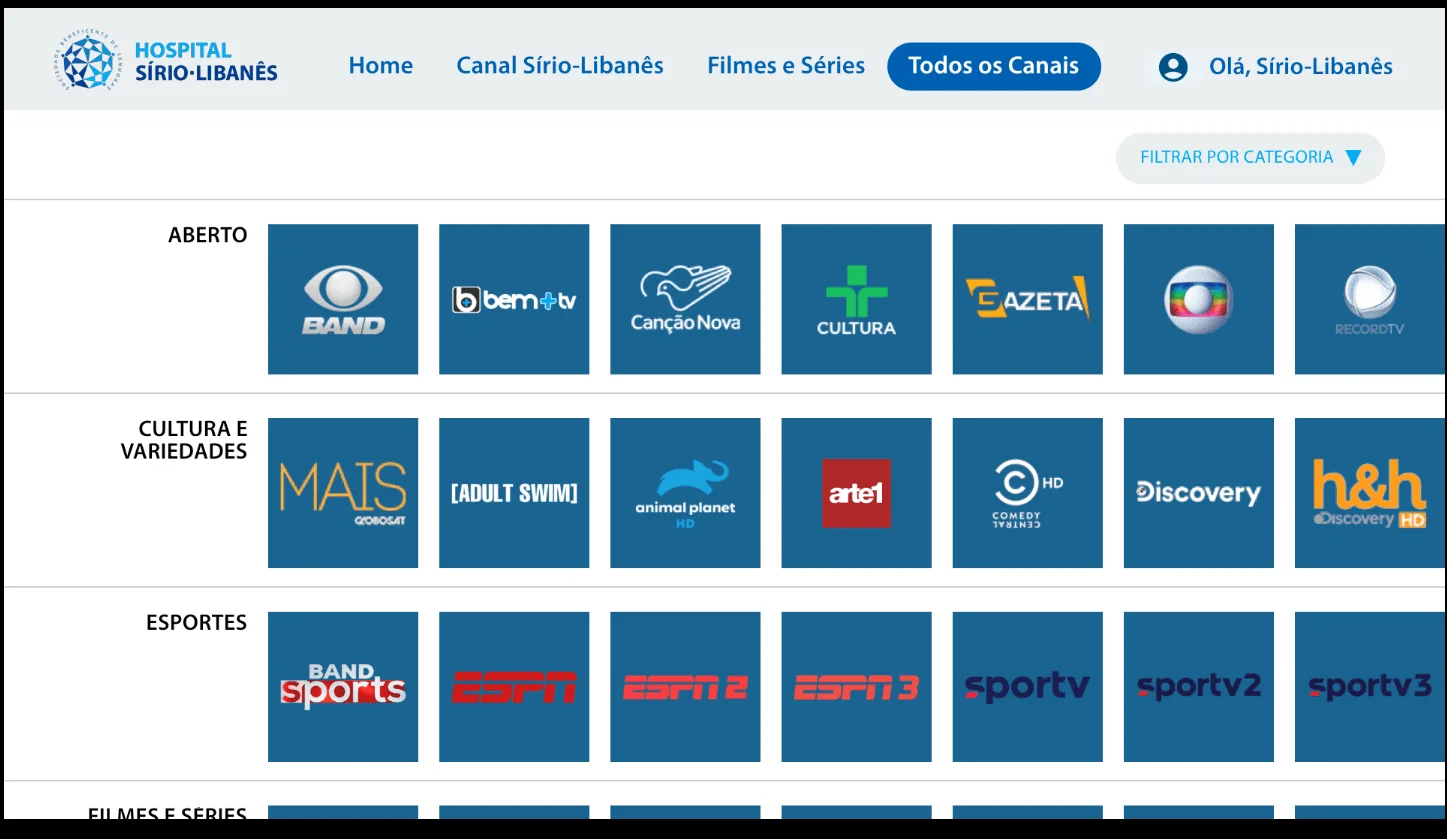
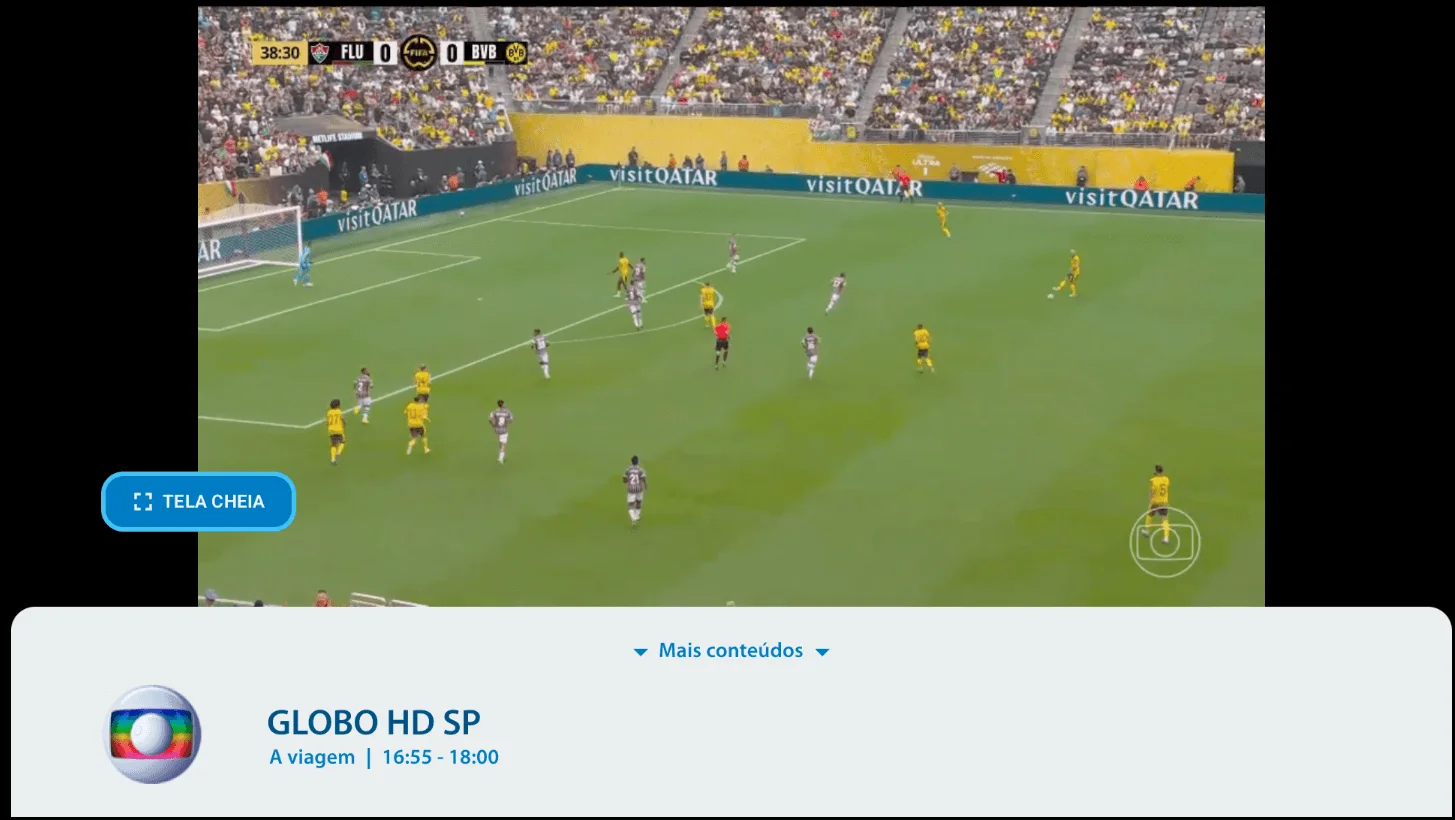
I designed and implemented the platform that delivers information and content to patient-room TVs at Hospital Sírio-Libanês. I was responsible for the backend, GCP infrastructure, and native application, integrating Tasy and playback protected by Widevine DRM.
Challenge
Connect hospital-system information, protected streaming, and a TV interface in a reliable operation. The backend needed low response latency, while the application had to accommodate Android TV and the Tasy integration.
Architecture & solution
I built the backend with Go and Fiber, PostgreSQL for persistence, and Redis for caching. Cloud Run provided automatic scaling without server administration. The Android TV app used Kotlin, Jetpack Compose, and Media3, with Widevine for content protection. Prometheus supported production monitoring.
- Application
- Kotlin · Jetpack Compose · Media3 · Widevine
- Backend & data
- Go / Fiber · Tasy · PostgreSQL · Redis
- Operations
- GCP · Cloud Run · Prometheus
Engineering decisions
- Use Go and Fiber to handle request volume with low backend latency.
- Introduce Redis as a cache to reduce PostgreSQL access. The production cache hit rate reached 92%.
- Run services on Cloud Run for automatic scaling without taking on server administration.
- Integrate Media3 and Widevine in the native app to support video playback and content protection.
- Include Prometheus metrics and alerts to track backend behavior in production.
My contribution
I implemented the backend, cloud infrastructure, and Android TV app while leading the technical work. I defined the architecture, coding standards, and monitoring, and followed the integration between services and the TV experience.
Outcomes
The backend served more than 20 million monthly requests, with a 6 ms average response time and a 92% cache hit rate. The platform brought hospital information and entertainment into a single experience on patient-room TVs.
- Production backend with a 6 ms average response time.
- Redis cache with a 92% hit rate, reducing database access.
- Integrated Tasy, cloud services, and an Android TV app with protected content.
Lessons learned
- Reliability depends on decisions across the entire system, from hospital-system integration to TV playback.
- Production observability is part of implementation. Metrics and alerts need to evolve with the services.
- Tasy integration requires clear documentation of contracts and expected behavior between systems.
Technology & platform
- Go
- Fiber
- PostgreSQL
- Redis
- GCP
- Cloud Run
- Prometheus
- Kotlin
- Jetpack Compose
- Media3
- Widevine DRM
- Tasy